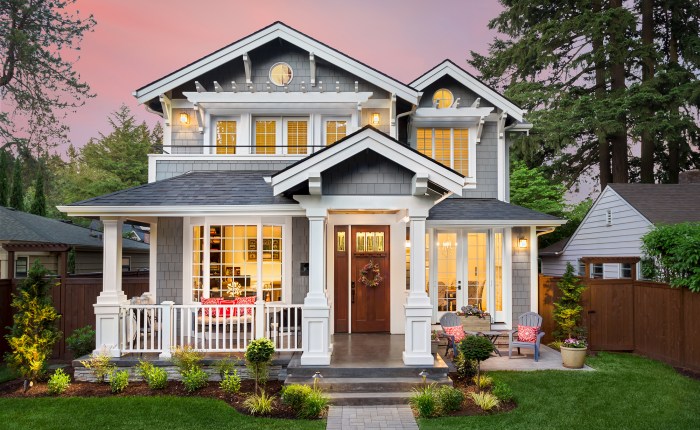
First impressions matter, and your entryway sets the tone for your entire home. A thoughtfully designed entryway isn’t just a hallway; it’s a transition space that welcomes guests and reflects your personal style. This guide explores the key elements – from lighting and furniture choices to flooring and wall treatments – to transform your entryway into a truly inviting space.
We’ll delve into practical solutions for common entryway challenges, such as limited space and storage needs, while emphasizing the importance of creating a cohesive and aesthetically pleasing design. Whether your style is modern, rustic, or traditional, we’ll provide actionable advice and inspiring examples to help you create an entryway that reflects your unique personality and creates a warm welcome for everyone who enters.
Defining a Welcoming Entryway

A welcoming entryway sets the tone for the entire home, offering a first impression that lingers. It’s more than just a space to step inside; it’s a transition zone, a silent greeting that speaks volumes about the personality and style of the inhabitants. A thoughtfully designed entryway provides a sense of calm and ease, preparing guests for a comfortable and enjoyable experience.A well-designed entryway significantly impacts a guest’s psychological state.
The immediate visual and sensory experience shapes their initial perception, influencing their mood and overall impression of the home and its occupants. A cluttered, dark, or uninviting entryway can create feelings of anxiety or discomfort, while a bright, organized, and aesthetically pleasing space promotes feelings of welcome, relaxation, and anticipation. This initial positive experience can greatly enhance the overall social interaction.
Essential Elements of a Welcoming Entryway
Several key elements contribute to creating a welcoming entryway. These elements work synergistically to create a cohesive and inviting atmosphere. Careful consideration of these details can transform a simple passageway into a truly memorable space.
- Lighting: Adequate lighting is crucial. A well-lit entryway feels safer and more inviting than a dark, shadowy one. Consider a combination of ambient lighting (overhead fixtures), task lighting (for specific areas like a coat rack), and accent lighting (to highlight artwork or architectural features). A warm, inviting glow is generally preferred over harsh, bright light.
- Flooring: The flooring material should be both aesthetically pleasing and practical. Hardwood floors offer a classic and elegant look, while tile provides durability and easy maintenance. Consider using rugs to add warmth, texture, and a pop of color. The choice should reflect the overall style of the home and be easy to clean.
- Organization: A clutter-free entryway is essential. Provide ample storage for coats, shoes, and bags. A coat rack, shoe rack, or a small storage bench can help keep things organized and prevent a cluttered look. The goal is to create a sense of order and calm.
- Personal Touches: Adding personal touches is what truly makes an entryway welcoming. This could include family photos, artwork, plants, or decorative objects that reflect the homeowner’s personality and style. These personal elements add warmth and character, making the space feel lived-in and inviting.
Design Styles for Welcoming Entryways
Different design styles can effectively create a welcoming atmosphere. The choice depends on personal preferences and the overall style of the home.
- Rustic: A rustic entryway might feature natural wood elements, stone flooring, and wrought iron accents. The overall feeling is warm, inviting, and grounded in nature. Think exposed beams, a wooden bench, and a simple, yet elegant, light fixture.
- Modern Minimalist: A modern minimalist entryway prioritizes clean lines, simple shapes, and a neutral color palette. The focus is on functionality and creating a sense of calm and order. A sleek console table, minimalist lighting, and a monochromatic color scheme are characteristic features.
- Traditional: A traditional entryway often features classic architectural details, such as crown molding, wainscoting, and ornate light fixtures. Rich fabrics, such as velvet or brocade, can add to the luxurious feel. The atmosphere is sophisticated and welcoming.
Lighting for a Welcoming Entryway
The right lighting scheme can transform an entryway from a mere passageway into a warm and inviting space. A well-designed lighting plan incorporates a blend of ambient, task, and accent lighting to create a layered and welcoming atmosphere. This ensures the entryway is not only functional but also aesthetically pleasing and sets the tone for the rest of the home.Effective entryway lighting should be both functional and aesthetically pleasing, guiding visitors safely while creating a welcoming ambiance.
A balanced approach considers the size of the space, the existing décor, and the desired mood. Overly bright or harsh lighting can feel cold and uninviting, while insufficient lighting creates a dark and unwelcoming atmosphere. The goal is to strike a balance, creating a space that feels both comfortable and stylish.
Ambient, Task, and Accent Lighting in Entryways
Ambient lighting provides overall illumination, setting the general mood of the space. In an entryway, this might be a central pendant light or a combination of recessed lights, providing a soft and even glow. Task lighting, on the other hand, focuses on specific areas, providing adequate illumination for practical tasks such as finding keys or removing shoes. This could be achieved with a wall-mounted sconce near a coat rack or a small table lamp on a console table.
Accent lighting highlights architectural details or artwork, adding visual interest and depth. A strategically placed spotlight on a piece of art or a textured wall can dramatically enhance the entryway’s appeal. Consider using dimmers to adjust the intensity of each type of lighting to suit the time of day and desired ambiance. For example, a dimmer switch on the ambient lighting allows for a brighter welcome during the day and a softer, more intimate glow in the evening.
Comparison of Lighting Fixtures for Entryways
Pendant lights offer a stylish and versatile option for entryway lighting, particularly in larger spaces. They can be chosen in a variety of styles and sizes to complement the overall décor, from sleek and modern to rustic and traditional. Pendant lights provide ample ambient lighting, often serving as the primary light source in the entryway. Sconces, on the other hand, are wall-mounted fixtures that provide both ambient and task lighting.
They are ideal for smaller entryways or hallways, offering a more subtle and elegant illumination. Recessed lighting provides even and unobtrusive ambient lighting, often used in conjunction with other lighting fixtures. Recessed lights are particularly useful in entryways with low ceilings or where a more minimalist aesthetic is desired. The choice between these fixture types often depends on the specific architectural features and desired style of the entryway.
A small entryway might benefit from a single, stylish sconce, while a larger foyer might look better with a statement pendant light complemented by recessed lighting.
Maximizing Natural Light in Entryways
Natural light significantly contributes to a welcoming entryway. Maximizing natural light involves strategically placing windows and doors to allow ample sunlight to enter the space. Using sheer curtains or blinds allows for natural light to filter in while maintaining privacy. Light-colored paint on walls and floors reflects natural light, making the space feel brighter and more open.
Mirrors strategically placed near windows can also help to reflect natural light deeper into the entryway, further enhancing its brightness and welcoming atmosphere. For example, a large mirror placed opposite a window can effectively double the amount of natural light entering the space, creating a much brighter and more inviting entryway. This approach is especially effective in entryways that receive limited direct sunlight.
Creating a welcoming entryway is more than just aesthetics; it’s about thoughtful design that enhances functionality and reflects your personal style. By carefully considering lighting, furniture, flooring, and wall treatments, you can transform this often-overlooked space into a warm and inviting haven. Remember, the goal is to create a space that feels both practical and beautiful, setting a positive tone for the rest of your home and leaving a lasting impression on your guests.
Q&A
What is the best type of flooring for a welcoming entryway?
The best flooring depends on your style and budget. Hardwood offers elegance, tile is durable and easy to clean, while carpet provides warmth and comfort. Consider durability and maintenance needs when choosing.
How can I maximize natural light in my entryway?
Maximize natural light by using sheer curtains or blinds, placing mirrors strategically to reflect light, and ensuring any windows are unobstructed. Consider a glass-paneled door if feasible.
What are some affordable ways to add personality to my entryway?
Affordable options include adding a gallery wall with framed prints, incorporating plants, using a vibrant rug, or painting the walls a cheerful color. Thrift stores and flea markets are great sources for unique and inexpensive decor.
How much storage do I really need in my entryway?
The amount of storage depends on your household size and needs. At minimum, plan for coat storage and shoe storage. Consider a console table with drawers or a dedicated shoe rack for added functionality.


