Transforming a cramped entryway into a functional and stylish space is achievable with creative planning. This guide explores practical solutions for maximizing limited square footage, focusing on clever storage, efficient lighting, and visually appealing design elements. We’ll delve into space-saving furniture, color palettes that enhance the feeling of spaciousness, and decorative touches that add personality without cluttering the area.
From choosing the right color scheme to strategically utilizing mirrors and vertical space, we’ll equip you with the knowledge and inspiration to create an entryway that’s both welcoming and efficient, regardless of its size. We’ll cover various design styles, offering options to suit different tastes and preferences, ensuring your entryway becomes a stylish and functional reflection of your home’s personality.
Maximizing Space in Small Entryways
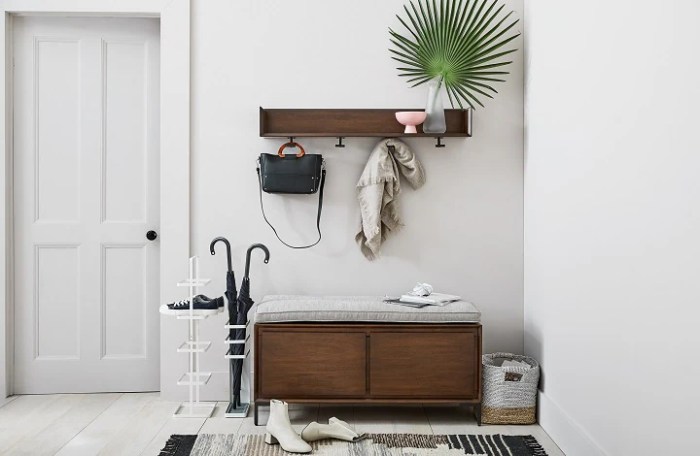
Small entryways present a unique design challenge, but with careful planning and the selection of appropriate furniture, they can be transformed into functional and aesthetically pleasing spaces. The key is to maximize vertical space and utilize multi-functional pieces to avoid clutter and maintain a sense of openness.
Compact Entryway System Design
A well-designed compact entryway system can significantly improve the functionality of a small space. Consider a system incorporating three key elements: a slim shoe rack, a small coat hook rack, and a narrow console table. The shoe rack could measure approximately 12 inches deep, 36 inches wide, and 30 inches high, constructed from lightweight yet durable materials like bamboo or painted MDF.
The coat hook rack, ideally mounted on the wall above the shoe rack, should be about 18 inches wide and 12 inches high, with five to seven hooks for coats and bags. For the console table, a narrow design of 10 inches deep, 36 inches wide, and 30 inches high would suffice, potentially using the same materials as the shoe rack for a cohesive look.
The table’s top provides a surface for keys, mail, and other small items.
Space-Saving Furniture for Small Entryways
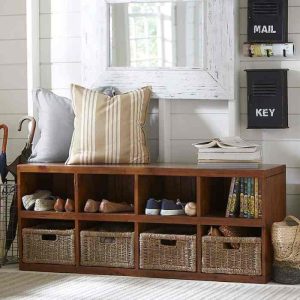
Multi-functional furniture is crucial for maximizing space in small entryways. Benches with built-in storage offer a practical solution for storing shoes, scarves, and gloves, while also providing a comfortable seating area. A bench approximately 18 inches deep, 36 inches wide, and 18 inches high with a hinged seat revealing storage space underneath would be ideal. Mirrors with integrated shelving provide both functionality and a sense of spaciousness.
A mirror measuring 24 inches wide and 36 inches high with two or three small shelves on either side would be a visually appealing and practical addition, allowing for the display of decorative items or for storing frequently used accessories.
Vertical Space Utilization in a Small Entryway
Imagine a small entryway, approximately 4 feet wide and 6 feet high. A narrow console table (10 inches deep x 36 inches wide x 30 inches high) is placed against the wall, with a slim shoe rack (12 inches deep x 36 inches wide x 30 inches high) situated directly beneath it. Above the console table and shoe rack, a wall-mounted coat hook rack (18 inches wide x 12 inches high) provides ample space for coats and bags.
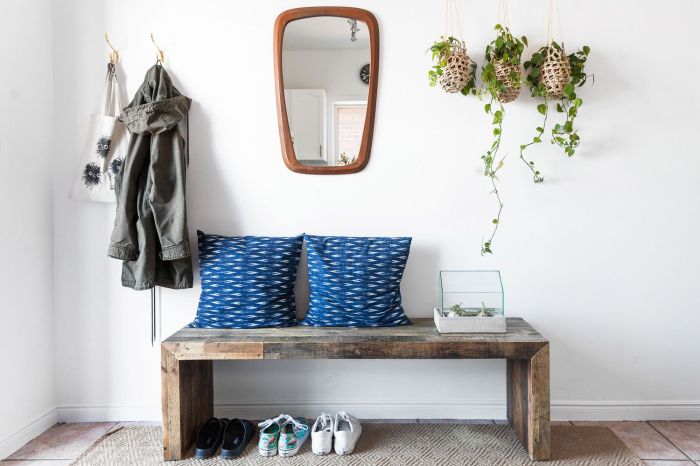
A large, full-length mirror (24 inches wide x 48 inches high) is mounted directly to the wall above the coat rack, extending vertically and maximizing the use of available wall space. The overall aesthetic is clean and minimalist, with a light color palette to enhance the sense of spaciousness. A small, stylish plant is placed on the console table to add a touch of life and warmth.
Light and Color Schemes for Small Entryways
The judicious use of color and light is paramount in creating the illusion of spaciousness within a small entryway. A well-planned scheme can dramatically alter the perceived size and ambiance of the space, transforming a cramped area into a welcoming and airy transition zone. Clever application of light and color principles can maximize both the visual and functional aspects of a small entryway.Light, airy color palettes are crucial for making a small entryway feel larger.
Light colors reflect more light, creating a brighter and more open feel. Dark colors, conversely, absorb light, making the space feel smaller and more enclosed. The psychological impact of color should not be underestimated; lighter hues evoke a sense of spaciousness and serenity, while darker shades can feel heavy and confining, even in well-lit spaces.
Color Palette Selection for Spaciousness
Light and neutral colors are the foundation of a successful small entryway design. Consider using shades of white, cream, pale gray, or soft pastels on the walls. These colors reflect light effectively, making the space appear larger and brighter. For instance, a soft, creamy white will provide a clean, elegant backdrop, while a pale gray can add a touch of sophistication.
Adding pops of color with accessories, such as a brightly colored rug or artwork, can introduce personality without overwhelming the space. Avoid using dark colors on large surfaces, as these can visually shrink the area. A small accent wall in a darker, complementary shade can work well, but it should be balanced with lighter tones elsewhere.
Lighting Plan for Small Entryways
A layered lighting approach is essential for a functional and visually appealing small entryway. This involves combining ambient, task, and accent lighting to create a well-lit and inviting atmosphere. Ambient lighting provides overall illumination, typically achieved with a ceiling fixture, such as a semi-flush mount or a small chandelier, depending on the ceiling height. Task lighting, focused on specific areas, is crucial for practical functionality.
A wall-mounted sconce near the entrance provides light for putting on shoes or coats, while a small pendant light above a console table can illuminate any decorative objects or mail sorting area. Accent lighting adds depth and visual interest; picture lights above artwork or strategically placed LED strip lights beneath cabinets can draw the eye and highlight architectural details.
Mirrors and Reflective Surfaces for Enhanced Brightness
Mirrors and reflective surfaces are invaluable tools for maximizing light and space in small entryways. Strategically placed mirrors can visually double the size of a room by reflecting light and creating the illusion of depth. A large mirror placed opposite a window will dramatically increase the amount of natural light entering the space, bouncing it deeper into the room.
Similarly, reflective surfaces, such as metallic accents on furniture or polished tiles, contribute to a brighter, more spacious feeling. The angle and size of the mirror are key factors; a larger mirror placed at an angle to reflect light from a light source will have a greater impact than a smaller mirror placed directly opposite the light source.
Careful consideration of the mirror’s placement and size is essential to ensure it enhances rather than detracts from the overall aesthetic.
By implementing these space-saving strategies and design ideas, even the smallest entryway can be transformed into a welcoming and organized space. Remember, careful consideration of color, lighting, and storage solutions is key to maximizing functionality and visual appeal. With a little creativity and planning, your entryway can seamlessly blend style and practicality, creating a positive first impression for you and your guests.
FAQ Overview
Can I use dark colors in a small entryway?
While lighter colors generally make a space feel larger, strategically used dark colors can create a dramatic and sophisticated look. However, ensure sufficient lighting to prevent the space from feeling cramped.
What flooring is best for a small entryway?
Durable and easy-to-clean materials like tile or vinyl are practical choices. However, the best option depends on your overall style and budget. Consider factors such as durability, maintenance, and aesthetic appeal.
How can I make my entryway feel more welcoming?
Add a welcoming element like a small plant, a piece of art, or a stylish rug to create a warm and inviting atmosphere. Consider soft lighting and a pleasant scent to enhance the ambiance.