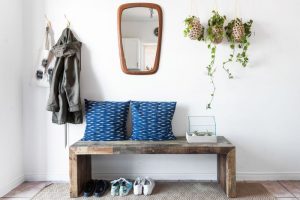
Transforming a small entryway into a functional and stylish space can be a delightful challenge. This guide explores the art of maximizing limited square footage, offering practical solutions and design inspiration for creating an inviting and efficient entrance to your home. We’ll delve into furniture selection, space-saving strategies, and aesthetic considerations to help you achieve the entryway of your dreams, even within the confines of a compact area.
From understanding the unique challenges of various compact entryway types – hallways, alcoves, and small foyers – to selecting the right furniture pieces, we will provide a comprehensive roadmap to success. We’ll discuss multi-functional furniture, clever placement techniques, and the power of visual illusions to create a sense of spaciousness. The ultimate goal is to help you design an entryway that is both beautiful and practical, reflecting your personal style while making the most of your available space.
Defining “Compact Spaces” for Entryways
Defining what constitutes a “compact” entryway is crucial for selecting appropriate furniture. The term encompasses a range of spaces, each presenting unique challenges and opportunities for design. Understanding these variations allows for a more effective and aesthetically pleasing arrangement.Compact entryways are characterized by their limited square footage and often, restricted ceiling height. This lack of space directly impacts furniture choices, necessitating careful consideration of size, functionality, and visual impact.
The challenge lies in maximizing functionality while maintaining a sense of openness and avoiding a cluttered feel.
Types of Compact Entryways
Compact entryways aren’t monolithic; they exist in various forms. Understanding these distinctions is essential for effective furniture selection. A narrow hallway differs significantly from a small alcove, each demanding different solutions.
- Narrow Hallways: These are long and thin spaces, often acting as a transition between rooms. Their primary challenge is maximizing vertical space and minimizing obstruction of foot traffic.
- Small Alcoves: These are recessed areas, often slightly deeper than a hallway but with limited width. They offer a defined area for furniture placement but require careful consideration of depth to avoid overwhelming the space.
- Small Foyers: These are small entry areas, often immediately inside a front door. They may be square or rectangular, and their challenge lies in creating a welcoming and functional space within a limited area.
Dimensions of Compact Entryways
While there’s no universally agreed-upon definition, compact entryways generally fall within specific dimensional ranges. These dimensions are approximate and can vary depending on the overall design and functionality of the space.
Generally, an entryway considered “compact” might have a total area of less than 40 square feet (approximately 3.7 square meters). A narrow hallway might measure less than 3 feet (0.9 meters) wide, while a small alcove could be 3 feet (0.9 meters) wide and 4 feet (1.2 meters) deep. A small foyer might be no larger than 6 feet (1.8 meters) by 6 feet (1.8 meters).
Challenges of Furnishing Compact Entryways
Furnishing compact entryways presents several challenges. The limited space necessitates careful selection of furniture items to avoid overcrowding and maintain a sense of flow.
Key challenges include:
- Limited Floor Space: This restricts the size and number of furniture pieces that can be accommodated.
- Maintaining Flow: Furniture must be strategically placed to avoid obstructing pathways and maintain a sense of openness.
- Storage Limitations: Compact spaces often lack built-in storage, requiring creative solutions for coats, shoes, and other items.
- Visual Clutter: A small space can easily appear cluttered if furniture and accessories are not carefully chosen and arranged.
Essential Entryway Furniture for Small Spaces
Creating a functional and stylish entryway in a compact space requires careful consideration of furniture choices. The key is to select pieces that maximize storage and visual appeal without overwhelming the area. Prioritizing multi-functional furniture is crucial for optimizing space in smaller entryways.
A Slim Console Table
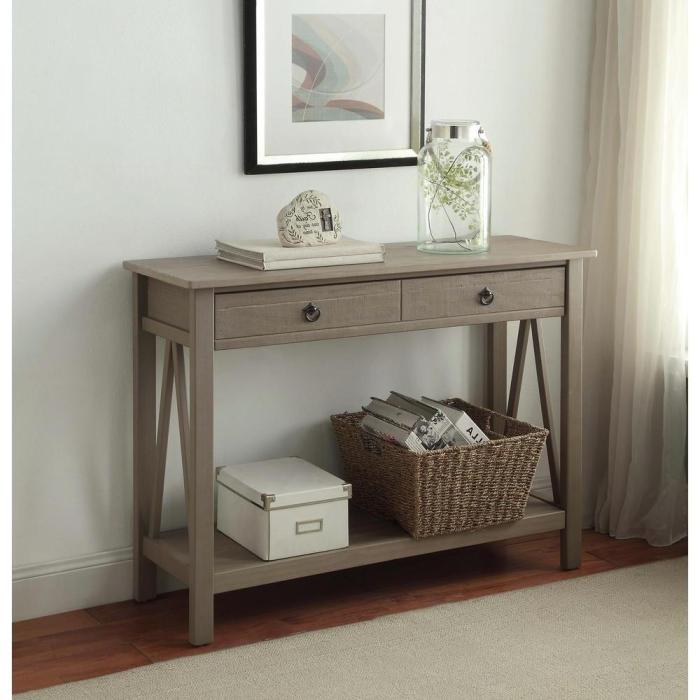
A narrow console table is an excellent foundation for a small entryway. Its primary function is to provide a surface for keys, mail, and other everyday items. Design considerations should focus on maximizing vertical space and minimizing footprint. Look for a table with drawers or shelves to increase storage capacity, and opt for a sleek, minimalist design to avoid cluttering the space.
A depth of 12-16 inches is ideal for narrow hallways, allowing for easy passage while still providing ample surface area. Consider a console table with legs that are slightly tapered or delicate in design to further reduce its visual weight.
A Wall-Mounted Shelf
Wall-mounted shelves offer a space-saving alternative to traditional entryway tables. They provide a practical surface for keys, wallets, and other small items while keeping the floor clear. Consider using a combination of open and closed shelving to accommodate both decorative items and items needing to be hidden away. The design should complement the overall aesthetic of the entryway, and the materials and color should be chosen to enhance, not detract from, the space.
A floating shelf system offers a modern and airy look, ideal for a contemporary style entryway. The use of mirrors integrated into the shelving can also help to create the illusion of more space.
A Compact Storage Bench
A compact storage bench provides both seating and storage, making it a highly functional piece for a small entryway. Look for a bench with a lift-up seat to reveal hidden storage for shoes, scarves, and other items. The design should be simple and streamlined, avoiding overly ornate details that can make the space feel cramped. Choose a bench with a slim profile and a neutral color to minimize its visual impact.
A bench made from light-colored wood or upholstered in a light-colored fabric will help to brighten and enlarge the feel of the space. The storage capacity can be further enhanced by utilizing the underside of the bench as well.
A Full-Length Mirror
A full-length mirror is not only practical but can also visually enlarge a small entryway. By reflecting light and creating a sense of depth, it makes the space appear larger and more open. Consider a mirror with a slim frame or even a frameless design to minimize its visual bulk. The placement of the mirror is crucial; positioning it strategically opposite a window or light source can maximize its effect.
A mirror with a simple, clean design will complement various styles and avoid overwhelming the space. The reflection can also help to visually extend the hallway, adding a sense of spaciousness.
A Multi-Functional Coat Rack
A multi-functional coat rack provides a practical way to store coats, hats, and umbrellas while minimizing floor space. Look for a rack that incorporates shelves or hooks for additional storage. A slim, wall-mounted design will keep the floor clear and maximize the usable space. Consider a coat rack made from lightweight materials such as metal or bamboo to further reduce its visual impact.
The design should complement the other furniture in the entryway and should be chosen to enhance the overall aesthetic of the space. Consider a coat rack with integrated lighting to add functionality and style.
Style and Design Considerations for Compact Entryways
Creating a stylish and functional entryway in a compact space requires careful consideration of design elements that maximize the area’s potential. The right style, color palette, and materials can dramatically impact the perceived size and overall aesthetic appeal of your entryway, transforming a cramped space into a welcoming and inviting area.
Design Styles for Compact Entryways
Several design styles are particularly well-suited to compact entryways, prioritizing functionality and visual spaciousness. Minimalist designs, for instance, excel in small spaces by emphasizing clean lines, a neutral color palette, and a lack of clutter. Scandinavian style, with its focus on natural light and simple, functional furniture, similarly creates an airy and open feel. Modern styles, characterized by sleek lines and a focus on contemporary materials, can also work effectively, provided that furniture choices are carefully considered to avoid overwhelming the space.
A rustic style, while potentially more cluttered in its traditional form, can be adapted for smaller spaces by using lighter woods and strategically placed accents.
Color Palettes and Materials for Spaciousness
The choice of color palette and materials significantly impacts the perceived size of a compact entryway. Light and neutral colors, such as whites, creams, light grays, and pastels, reflect light and create an illusion of more space. Using these colors on walls and floors expands the visual area. Darker colors, while stylish, can make a small space feel smaller.
Similarly, the selection of materials matters; glossy surfaces reflect light more effectively than matte ones, contributing to a sense of spaciousness. Mirrors, strategically placed, can also significantly enhance the perceived size of the entryway by doubling the visual space. Consider using light-colored wood or even metallic accents for furniture to further amplify the feeling of openness.
Impact of Lighting on Perceived Entryway Size
Proper lighting is crucial in maximizing the perceived size of a compact entryway. Adequate lighting brightens the space, making it feel larger and more inviting. Layered lighting, incorporating ambient, task, and accent lighting, is highly effective. Ambient lighting, such as recessed lighting or a ceiling fixture, provides overall illumination. Task lighting, like a wall-mounted sconce near a mirror, illuminates specific areas.
Accent lighting, perhaps a small pendant light or strategically placed spotlights, highlights architectural details or artwork, adding depth and visual interest without cluttering the space. Natural light should be maximized whenever possible; sheer curtains or blinds allow natural light to enter while maintaining privacy. Avoid overly dim or harsh lighting, which can make a small space feel cramped and unwelcoming.
A well-lit entryway instantly feels more spacious and inviting.
Entryway Ideas
Maximizing a compact entryway’s potential goes beyond simply choosing the right furniture. Clever storage solutions and thoughtful decorative choices can transform a cramped space into a welcoming and functional area. By strategically incorporating both practical and aesthetic elements, you can create an entryway that reflects your personal style while efficiently managing limited space.
Creative Entryway Storage Solutions
Effective storage is paramount in a small entryway. Instead of bulky furniture, consider space-saving alternatives that maintain functionality without compromising on style. A well-planned storage system will keep coats, shoes, and accessories organized, preventing clutter from overwhelming the area.
- Hooks: Wall-mounted hooks, either individually or in a grouping, offer a simple yet effective solution for hanging coats, bags, and keys. Consider sleek, minimalist hooks for a modern aesthetic or ornate, decorative hooks for a more traditional feel. Placement should be strategic, considering height and the items to be stored. For instance, lower hooks are ideal for children’s coats, while higher ones are better suited for adult outerwear.
- Coat Racks: Freestanding coat racks provide a versatile storage option, especially if wall space is limited. Choose a slim, space-saving design, perhaps a leaning rack or one with a narrow footprint. Consider a rack with a shelf for added storage of hats, gloves, or scarves.
- Baskets: Wicker baskets, fabric bins, or decorative boxes can be used to store shoes, gloves, scarves, or other smaller items. Place them on the floor, a shelf, or even on a narrow console table to keep things organized and visually appealing. Using baskets in a cohesive color scheme can enhance the overall aesthetic.
Enhancing Aesthetics with Decorative Elements
Decorative elements play a crucial role in transforming a compact entryway from a mere functional space into a visually appealing and welcoming area. Even small details can significantly impact the overall mood and feel.
- Wall Art: A single piece of art, a gallery wall of smaller prints, or a mirror can visually enlarge the space and add personality. Choose artwork that complements your overall home décor and reflects your style. A large mirror can create an illusion of spaciousness by reflecting light and visually expanding the area.
- Plants: Adding a small plant or two can instantly brighten and enliven the space. Choose low-maintenance plants that thrive in moderate light conditions. A small potted plant or a hanging planter can add a touch of nature without taking up valuable floor space.
- Rugs: A small rug can define the entryway area and add warmth and texture. Choose a rug that complements the overall color scheme and style of your home. A rug can also help to protect your flooring and add a layer of comfort underfoot.
Mood Board: Compact Entryway Decor Ideas
Imagine a mood board showcasing three distinct styles for a compact entryway.The first section depicts a minimalist modern entryway. The backdrop is a pale grey wall, featuring a single, large-scale black and white abstract print. A slim, dark wood console table sits against the wall, topped with a small, sleek ceramic vase holding a single white orchid. A narrow, woven rug in muted grey adds texture underfoot.
Sleek, brushed silver hooks are mounted on the wall, neatly holding a few coats and bags.The second section displays a rustic farmhouse style. A whitewashed wood wall serves as the backdrop. A small, wooden bench with storage underneath sits against the wall. Above the bench, several woven baskets hang, providing storage for shoes and accessories. A small, terracotta pot containing a trailing ivy plant sits on the bench.
A patterned rug with warm, earthy tones adds warmth and texture to the floor.The third section showcases a bright and eclectic design. A vibrant yellow wall serves as the backdrop, complemented by a colorful, patterned rug. A narrow, white shelf holds a collection of colorful ceramic bowls and small decorative objects. A mix of hooks in different colors and styles are mounted on the wall.
A small, round mirror adds light and visual interest, while a tall, slender potted plant adds a touch of greenery.
Designing a compact entryway doesn’t mean sacrificing style or functionality. By carefully selecting furniture, utilizing space-saving techniques, and incorporating thoughtful design elements, you can create a welcoming and efficient entrance that maximizes every inch. Remember, the key lies in a blend of practicality and aesthetics – choosing pieces that serve a purpose while enhancing the overall ambiance of your home.
With a little planning and creativity, your compact entryway can become a stylish and functional focal point.
Expert Answers
What is the ideal width for a narrow console table in a small entryway?
Ideally, aim for a console table no wider than 24-30 inches to avoid obstructing the flow of traffic.
Can I use a mirror in a small entryway without making it feel cramped?
Yes, strategically placed mirrors can create the illusion of more space. Avoid placing them directly opposite a door or window to prevent a cluttered feel.
How can I add storage without sacrificing floor space in a tiny entryway?
Utilize wall-mounted shelves, hooks, or a slim coat rack to maximize vertical space and minimize floor clutter.
What are some low-cost ways to enhance a small entryway?
Affordable options include adding a new rug, painting the walls a lighter color, and incorporating inexpensive decorative elements like baskets or a small plant.